

Is the electronic invoice mandatory for all companies?
In the digital era we live in today the electronic invoice has become an essential tool that facilitates business transactions and increases work efficiency but is this invoice mandatory for all companies? In this article we will review the current legislation related to electronic invoices and discuss the benefits and challenges that companies may face when adopting them. Continue reading to learn about the legal and technical requirements related to electronic invoices and how they affect the future of business.
What is an Electronic Invoice?
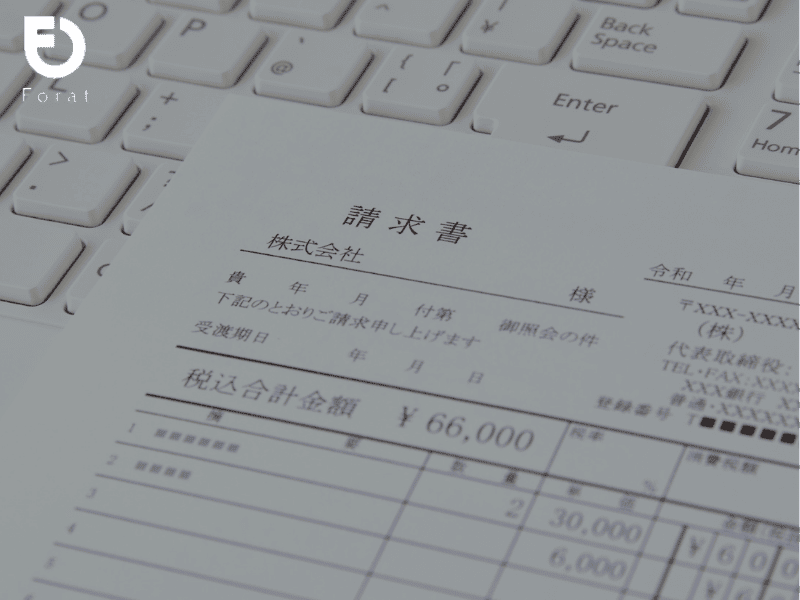
An electronic invoice is a digital document that is prepared and sent electronically as it is used instead of traditional paper invoices. These invoices can be part of a comprehensive system for managing business operations within companies making them more efficient and faster.
An electronic invoice includes information such as:
Issuer and recipient details
Description of the goods or services provided
Invoice date and total amount
Tax details if required
Using an electronic invoice facilitates business transactions as it enables companies to obtain invoices quickly and efficiently.
The Importance of Understanding the Electronic Invoice
It is very important to understand the electronic invoice especially with the development of business systems as it not only saves time and effort but also enhances information accuracy and reduces human errors.
For example when one of my friends transitioned to an electronic invoicing system he noticed a significant improvement in workflow the time required to send invoices decreased and he was able to track payments more easily.
It is important to consider the following points when dealing with electronic invoices:
Ease of access: You can access invoices anytime and from anywhere.
Security: Electronic invoices provide better protection against tampering compared to paper invoices.
Tax compliance: Electronic invoices facilitate tax auditing and review processes.
While discussing electronic invoices the question remains: Is the electronic invoice mandatory? This is what we will address later so it is important to be prepared to keep pace with this digital transformation.
Advantages of the Electronic Invoice
Saving Time and Effort
When discussing the advantages of the electronic invoice saving time and effort stands out as one of the most important benefits. When businesses relied on paper invoices a lot of time was spent on printing distribution and review.
However with electronic invoices the equation has completely changed. Instead of spending hours preparing invoices the process can now be completed in just a few minutes. For example one company that adopted electronic invoicing reported reducing payment processing time by up to 50%.
Time and effort benefits also include:
Reducing errors: Less manual handling means fewer chances of mistakes.
Ease of sharing: Invoices can be easily shared via email or electronic systems allowing all parties easy access.
Cost Reduction
Cost reduction is another strong advantage of electronic invoices. The costs of paper printing and shipping can accumulate quickly and create unnecessary financial burdens.
By switching to electronic invoices costs can be significantly reduced. Studies have shown that companies adopting electronic invoicing can reduce transaction costs by up to 60%.
This includes:
Reducing paper handling costs: No need to process or store paper.
Operational efficiency: Less time spent on traditional procedures means lower labor costs.
At the end of these points we return to the important question: Is the electronic invoice mandatory? Stay with us to learn more.
Legal and Tax Requirements for Adopting the Electronic Invoice
Legal Regulations
When discussing electronic invoices we must be aware of the legal regulations governing their use. In many countries a set of laws has been established to regulate how electronic invoices are issued and used to ensure transparency and tax compliance.
For example some regulations require that an electronic invoice include specific information such as:
Name of the issuer and recipient.
Date of issuance and invoice number.
Details of the goods or services provided.
These regulations are essential to protect the rights of both parties and ensure smooth transactions. If you run a business it is important to stay updated on the latest regulations to avoid any legal issues.
Taxes Related to Electronic Invoices
Taxes form a fundamental part of electronic invoices as they help achieve tax compliance. When invoices are issued electronically it becomes easier to track transactions and ensure transparency before tax authorities.
Taxes related to electronic invoices may include:
Value Added Tax VAT: It is important to clearly state the tax amount on the invoice.
Withholding taxes: Attention must be paid to any taxes that must be deducted from payments.
As a personal example I encountered a small company that struggled with tax management before transitioning to electronic invoicing and after implementation it had a system that helped it track taxes easily providing peace of mind.
In the end the question remains: Is the electronic invoice mandatory? This requires careful consideration of the regulations and taxes affecting each business which we will discuss soon.
Necessary Steps to Adopt the Electronic Invoice
Registration in the Electronic Invoicing System
When an organization decides to transition to electronic invoices registering in the electronic invoicing system represents the first and most important step. This system is characterized by its ability to facilitate invoice management and make it more efficient.
The registration process usually includes:
Choosing a service provider: There are many electronic invoicing service providers and the most suitable option should be selected based on system features.
Submitting required documents: Registration may require documents such as the commercial registration and tax identification numbers.
Activating the account: After submitting the documents your account will be activated so you can begin using the system.
My personal experience indicates that one of my friends launched his own business and was initially hesitant but found the registration process easy and simple allowing him to start quickly.
Training on How to Use the System
After registration comes the step of training on how to use the electronic invoicing system which is crucial to ensure effective use. Even if the system is user friendly proper training will facilitate understanding and enhance performance.
Training steps include:
Workshops: Organizing workshops to train employees on effective system use.
Tutorials: Providing online courses to enhance knowledge about the system.
Technical support: Ensuring the availability of a technical support team to answer questions and solve any issues users may face.
Personally a company I followed organized a workshop for employees which helped avoid many errors in subsequent invoices.
With all these steps the potential question remains: Is the electronic invoice mandatory? This discussion requires further exploration and thought.
Potential Challenges and Concerns
Security and Privacy Concerns
When adopting electronic invoices legitimate concerns arise regarding security and privacy. In a world where cyberattacks are increasing business owners must ensure that their data and their clients information are well protected.
Common concerns include:
Breaches: The possibility of systems being targeted by hackers.
Data loss: In case of technical failure important data may be lost.
Misuse of personal information: Concern that external companies may exploit invoice data.
Personally on one occasion a company I know experienced a breach that led to the loss of sensitive data causing significant losses which highlights the need for strong security measures.
Technical Challenges
In addition to security concerns there are technical challenges companies may face when transitioning to electronic invoices. These challenges may hinder operations and affect business efficiency.
Among these challenges:
System complexity: Some systems may be complex and require advanced technical skills.
Integration with other systems: Electronic invoicing systems must be compatible with other management systems within the company.
Continuous updates: The need to update the system periodically to keep pace with technological developments.
For example one company struggled to integrate its accounting system with the electronic invoicing system which delayed service launch for several months.
Ultimately a deep understanding of these challenges and concerns leads us to an important question: Is the electronic invoice mandatory? Exploring these aspects provides deeper insight into the answer.
Frequently Asked Questions
1: Is the electronic invoice mandatory for institutions in all countries?
Electronic invoicing laws vary from one country to another. In some countries electronic invoicing is mandatory for all institutions while in others the choice is left to the institutions.
2: What are the benefits associated with using the electronic invoice?
The electronic invoice offers many benefits such as:
Saving time: Invoices can be issued and submitted more quickly.
Reducing errors: Automated systems reduce human errors.
Facilitating tracking: Invoices and outstanding amounts can be easily tracked.
3: How can an institution transition to an electronic invoicing system?
Transitioning to an electronic invoicing system requires:
Choosing appropriate software: Selecting software that provides electronic invoicing solutions.
Training employees: The system requires training for the relevant team.
Preparing the work environment: Ensuring all systems and applications are compatible.
4: Are there any legal considerations related to the electronic invoice?
Yes there are legal considerations including:
Compliance with local laws: Institutions must ensure electronic invoices comply with local regulations.
Record keeping: There may be requirements regarding how electronic records are stored.
5: Can the electronic invoice be used in international transactions?
Yes the electronic invoice can be used in international transactions provided that it complies with the laws and regulations of the concerned countries and the parties involved agree to use electronic invoices.
Conclusion
Through this presentation it becomes clear that the electronic invoice is not merely a simple method for managing invoices but a powerful tool for improving business operations. However it is important for companies to adopt these invoices in a well considered manner to ensure maximum benefit as invoices can be handled securely and smoothly encouraging further steps toward digitalization. Nevertheless the question Is the electronic invoice mandatory? remains open for discussion as national regulations and changes in the business environment may influence the answer. Ultimately every company must carefully evaluate its needs and requirements to determine whether adopting the electronic invoice is the right choice for it.
You may also like
- المقالات
How to Connect with the Zakat Authority with Ease
The Zakat Authority is considered one of the vital institutions that plays an important role in strengthening social solidarity and supporting charitable projects To facilitate the process of connection
8 min readBy FuratRead article - المقالات
A Comprehensive Analysis of Financial Inclusion in Saudi Arabia
Financial inclusion in Saudi Arabia is considered one of the fundamental pillars for enhancing economic and social development in any country, particularly in the Kingdom of Saudi Arabia, which is
8 min readBy FuratRead article - المقالات
How to Choose the Best Digital Billing Solutions for Your Company?
In today’s modern business world, digital invoicing has become an essential element for enhancing efficiency and transparency. With many solutions available in the market, choosing the most suitable
5 min readBy FuratRead article



Frequently asked questions
How can I try the program?
If you are thinking about trying the Furat program, it’s very easy to do so. The program offers a free trial period that allows you to explore all the available features. To start the trial, you can follow these simple steps:
- Visit the official website of the Furat program.
- Click on the “Free Trial” option.
- Fill in the required information to create your account.
- Get immediate access to all the tools that help you manage invoices.
This way, you can see how useful the program is before making a final decision.
What is the Furat electronic invoicing program?
Furat is a system for managing electronic invoices and financial claims. It can also generate electronic receipt vouchers. The program aims to facilitate the process of issuing invoices and managing customers.
How does the Furat program help in managing customers?
The Furat program helps organize customer data, track transactions, and improve communication with them by providing smart marketing tools. It also allows you to store customer data and access it from anywhere.
What are the features of the electronic signature in the Furat program?
The Furat program allows the use of electronic signatures to securely and quickly authenticate transactions. You can sign from anywhere at any time, and it also enables the electronic and secure archiving of all documents.
Can worksheets be customized in the Furat program?
Yes, the Furat program provides the ability to customize worksheets to suit the company's needs and customer requirements. You can also set different and consistent permissions based on the number of employees and their administrative roles.
Can I use the program in multiple countries?
Yes, one of the flexible aspects of the Furat program is the ability to use it in multiple countries. The program allows you to:
- Support different currencies to facilitate invoicing.
- Customize invoices according to the local requirements of each market.
- Access legal documents specific to each country.
A friend of mine who runs a multinational company found that using Furat made it easier to deal with clients in different countries without any complications. This flexibility makes Furat a great choice for companies looking to expand into new markets.
Comments (0)
No comments yet. Be the first to comment.