

Everything You Need to Know About Issuing Electronic Invoices
Electronic invoices are among the most important developments in the modern business world as they contribute to improving efficiency and reducing costs In this article we will review everything you need to know about issuing electronic invoices starting from how to create them and comply with legal requirements to their benefits and the latest updates in this field We will help you understand the fundamentals of electronic invoicing and how to develop your accounting system to maximize the benefits of this modern technology
The Concept of Electronic Invoices
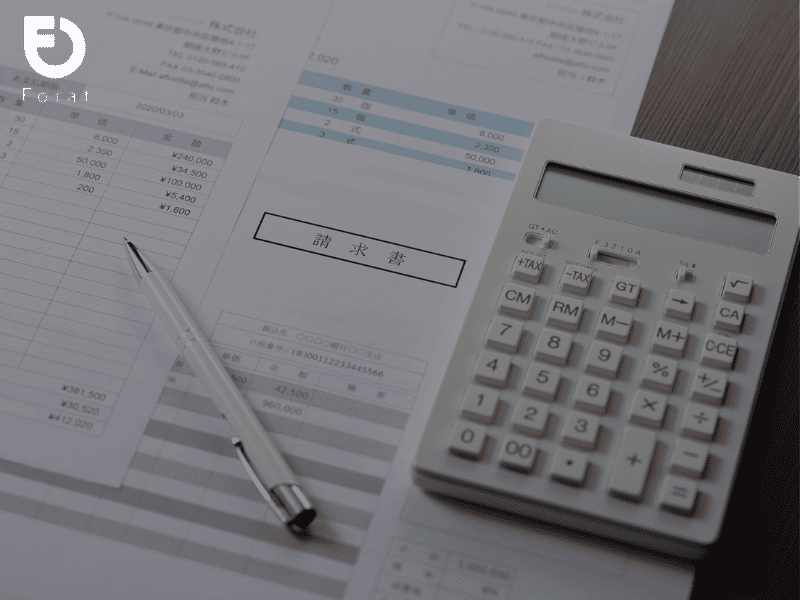
Electronic invoices are a modern tool that reflects technological advancements in the business world These invoices are digital documents that are generated and sent عبر the internet making it easier for companies to organize and analyze their financial operations Creating electronic invoices depends on using appropriate software and includes all details such as provided services prices and tax calculations
The Importance of Understanding the Issuance of Electronic Invoices
Understanding the process of issuing electronic invoices is not just an option but a necessity in today’s business environment Using electronic invoices can provide multiple advantages including
Saving time The invoice preparation process is faster compared to paper forms
Reducing errors Electronic verification technologies help eliminate manual mistakes
Improving cash flow Electronic invoices accelerate payment processes and reduce delays
In addition recognizing the importance of electronic invoices helps organizations adapt to regulatory requirements and modern legislation This understanding enables companies to gain a competitive advantage in the market by delivering better and faster services to customers
Electronic Invoices Versus Paper Invoices
Comparison Between Electronic and Paper Invoices
When discussing electronic and paper invoices there are clear differences that affect how businesses are managed Paper invoices despite their traditional nature can be burdensome and difficult to track In contrast electronic invoices are characterized by speed and accuracy Here are some key comparison points
Cost Paper invoices require paper printing and postage while electronic invoices require software and sometimes subscriptions
Speed Electronic invoices are sent and received within seconds while paper invoices may take days
Accessibility Paper invoices may be lost or damaged while electronic invoices are securely stored in the cloud
Advantages and Disadvantages of Electronic Invoices
Electronic invoices offer several advantages
Accuracy Reduction of calculation errors
Faster analysis Financial data can be analyzed more quickly
However there are also disadvantages
Technical issues Companies may face problems with software systems
Security challenges Protecting data and financial information from breaches
Ultimately the choice between electronic and paper invoices depends on the needs and objectives of each organization
How to Issue Electronic Invoices
Requirements for Issuing Electronic Invoices
To issue electronic invoices effectively there are some basic requirements that must be met First you need an invoice management system or specialized software that allows you to create electronic invoices easily A reliable internet connection is also necessary Here is a list of the most important requirements
Invoice software You must choose reliable software that supports your business
Customer records A system to securely store customer information
Electronic signature In some cases an electronic signature is required to confirm identity
Steps to Issue an Electronic Invoice
Here are the main steps for issuing an electronic invoice
Prepare the information Ensure you collect all details such as customer name address and provided services
Create the invoice Use the software to generate the invoice using available templates
Review the invoice Verify the accuracy of all information and avoid errors
Send the invoice Use email or another platform to deliver the invoice to the customer
Track payments Monitor the invoice status and confirm receipt of payments on time
By following these steps you can simplify the electronic invoicing process and improve the management of your business activities
Legislation and Laws Related to Electronic Invoices
The Electronic Invoicing System in the Country
With the growing reliance on electronic invoices many countries have established organized legal systems to facilitate issuance and protect the rights of all parties In developed countries computerized systems have been introduced to ensure compliance with tax and commercial law requirements For example some systems provide
Automatic registration Direct reporting of invoices to tax authorities
Secure storage Preserving invoices in a controlled environment to prevent loss or manipulation
Legal Obligations for Issuing Electronic Invoices
Legal obligations may represent one of the challenges companies face when issuing electronic invoices It is essential that these invoices comply with the following standards and regulations
Maintaining accurate records Companies must keep detailed records of electronic invoices
Compliance with tax practices Ensuring currencies and applied taxes align with local laws
Data protection Adhering to data privacy standards such as GDPR in Europe
A solid understanding of these regulations can help companies avoid penalties and enhance their credibility in the market
Benefits of Transitioning to Electronic Invoices
Saving Time and Effort
Transitioning to electronic invoices represents a major shift in business management Through this process companies can save significant time and effort Instead of spending hours preparing and printing paper invoices issuance can be completed quickly and smoothly Here are some key benefits
Faster processing Invoices can be created and sent within minutes
Reduced manual work Lower exposure to data entry errors increases efficiency
These benefits help companies improve performance and focus on more important tasks
Environmental Protection and Sustainability
Electronic invoices also play an important role in environmental protection Reducing paper usage means decreasing the consumption of trees and natural resources Environmental benefits include
Waste reduction Paper invoices often end up in the trash
Energy savings Paper production requires energy and water so shifting to a digital environment reduces waste
Therefore adopting electronic invoices is not only beneficial for the economy but also contributes to protecting our planet for future generations
Challenges of Issuing Electronic Invoices
Technical Issues
Despite the many benefits of electronic invoicing there are some technical challenges companies may face including
Software compatibility Companies may struggle to integrate electronic invoicing systems with other systems such as accounting software
System failures Technical outages may affect the ability to issue invoices on time
Training requirements Employees may require sufficient training to use new programs efficiently increasing the initial time investment
Security Challenges and Data Protection
As reliance on electronic invoices increases security challenges related to data protection become more prominent Financial data is sensitive and any breach may impact a company’s reputation Challenges include
Cyber attacks Data may be exposed to threats such as hacking and cyber attacks
Data storage Companies must ensure their data is secured in a safe environment to prevent unauthorized access
Data protection regulations Compliance with laws such as GDPR requires additional investment in cybersecurity
Overcoming these challenges requires investment in technology and training helping companies maintain information security and succeed in issuing electronic invoices
Tips to Improve the Electronic Invoicing Process
Using Invoice Management Software
To improve the electronic invoicing process using invoice management software is an effective step These systems provide user friendly interfaces and help organize everything related to invoicing Here are some reasons why they are essential
Automation Most programs allow invoice creation with a single click reducing errors
Automatic reminders You can schedule payment reminders to improve cash flow
Smart reports Detailed analytics on payments and purchases facilitate decision making
Defining Customers and Managing Payments
Another helpful tip is accurately defining customers and effectively managing payments You can follow these steps
Create accurate records Maintain organized records of customers and their payment information to avoid complications
Define payment terms Clearly specify agreed payment terms in the invoice to set clear expectations
Track payments Use software to monitor outstanding payments and identify customers who exceed due dates
By applying these tips you can enhance the electronic invoicing experience and gain more time to focus on growing your business
Frequently Asked Questions
1 What Is an Electronic Invoice
An electronic invoice is a digital document used to document commercial transactions between seller and buyer It includes details such as items prices and taxes
2 How Can an Electronic Invoice Be Issued
To issue an electronic invoice follow these steps
Step 1 Choose the appropriate electronic invoicing software
Step 2 Log into the system and fill in basic information such as seller details buyer details and the list of products or services provided
Step 3 Review the entered information and ensure its accuracy
Step 4 Reserve the invoice and generate a QR code if required
Step 5 Save the invoice and send it via email or other digital methods
3 What Are the Main Advantages of Issuing Electronic Invoices
Reducing errors Minimizing human mistakes in entry and review
Efficiency Accelerating the issuance and acceptance process
Cost savings Lowering costs associated with paper transactions
Control Facilitating tracking of financial accounts and inventory management
4 Are There Legal Requirements for Issuing Electronic Invoices
Yes Legal requirements vary by country You must ensure compliance with local tax and accounting laws and regulations
5 How Can Electronic Invoices Be Stored
Electronic invoices can be stored in a cloud system or in an internal database with secured access to ensure privacy
Conclusion
In conclusion issuing electronic invoices is a fundamental step toward improving financial efficiency and reducing human errors in business Electronic invoices are an effective tool that accelerates collection processes and saves time and effort It is important to remember that adapting to this technology is not only a regulatory necessity but also a shift toward digital transformation that ensures business sustainability in the future Investing time and effort in understanding this system and its related technologies will provide organizations across various sectors with numerous advantages
You may also like
- المقالات
Everything You Need to Know About the Stages of the Electronic Invoice
In the era of digital transformation, the electronic invoice has become one of the essential tools in business management. But what are its stages, and how can companies benefit from it to improve
6 min readBy FuratRead article - المقالات
How to Choose the Best Digital Billing Solutions for Your Company?
In today’s modern business world, digital invoicing has become an essential element for enhancing efficiency and transparency. With many solutions available in the market, choosing the most suitable
5 min readBy FuratRead article - المقالات
Learn How to Choose a ZATCA-Compliant Billing Software That’s Right for You
Are you looking for a ZATCA compliant software that meets your business needs In today’s rapidly evolving technological landscape choosing the right system has become a necessity to ensure
5 min readBy FuratRead article


Frequently asked questions
How can I try the program?
If you are thinking about trying the Furat program, it’s very easy to do so. The program offers a free trial period that allows you to explore all the available features. To start the trial, you can follow these simple steps:
- Visit the official website of the Furat program.
- Click on the “Free Trial” option.
- Fill in the required information to create your account.
- Get immediate access to all the tools that help you manage invoices.
This way, you can see how useful the program is before making a final decision.
What is the Furat electronic invoicing program?
Furat is a system for managing electronic invoices and financial claims. It can also generate electronic receipt vouchers. The program aims to facilitate the process of issuing invoices and managing customers.
How does the Furat program help in managing customers?
The Furat program helps organize customer data, track transactions, and improve communication with them by providing smart marketing tools. It also allows you to store customer data and access it from anywhere.
What are the features of the electronic signature in the Furat program?
The Furat program allows the use of electronic signatures to securely and quickly authenticate transactions. You can sign from anywhere at any time, and it also enables the electronic and secure archiving of all documents.
Can worksheets be customized in the Furat program?
Yes, the Furat program provides the ability to customize worksheets to suit the company's needs and customer requirements. You can also set different and consistent permissions based on the number of employees and their administrative roles.
Can I use the program in multiple countries?
Yes, one of the flexible aspects of the Furat program is the ability to use it in multiple countries. The program allows you to:
- Support different currencies to facilitate invoicing.
- Customize invoices according to the local requirements of each market.
- Access legal documents specific to each country.
A friend of mine who runs a multinational company found that using Furat made it easier to deal with clients in different countries without any complications. This flexibility makes Furat a great choice for companies looking to expand into new markets.
Comments (0)
No comments yet. Be the first to comment.