
A Comprehensive Analysis of Saudi Vision 2030
In a rapidly changing world, Saudi Vision 2030 stands out as an ambitious strategic plan aimed at strengthening the Kingdom’s position on the global stage and achieving economic diversification. This comprehensive analysis reflects the vision of Saudi leadership to open new horizons for development and innovation. The Vision focuses on several key pillars, including improving quality of life, enhancing investment, and achieving sustainability. In this article, we explore the details of this Vision and highlight the challenges and opportunities facing the Kingdom on its path toward a bright future.
What Is Saudi Vision 2030?
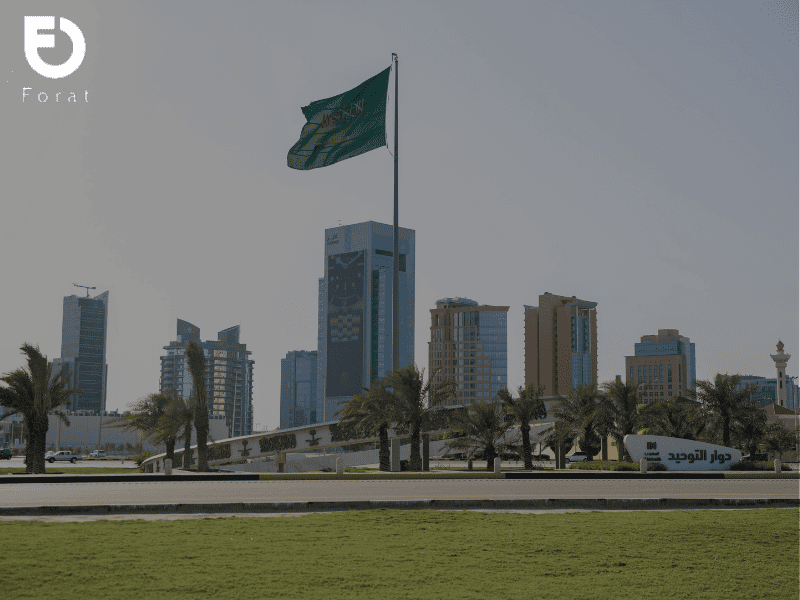
Saudi Vision 2030 is an ambitious plan designed to transform the Kingdom of Saudi Arabia into a global model across various sectors. The Vision was announced in 2016 by Crown Prince Mohammed bin Salman as a roadmap for achieving sustainable development. It addresses several key areas, including economic transformation, social development, and environmental sustainability.
Economic transformation focuses on diversifying the economy away from oil dependency. Social development aims to enhance the quality of life for citizens. Environmental preservation emphasizes promoting sustainability for future generations.
The Importance of Understanding Saudi Vision 2030
Understanding Saudi Vision 2030 is essential for both citizens and residents, as it is not merely a government plan but a call for collective participation in building a better future. One prominent example is its impact on youth, who have been encouraged to innovate and participate in development projects. Numerous initiatives have been launched to support essential skills and professional training.
Moreover, Saudi Vision 2030 provides vast investment opportunities, strengthening the Kingdom’s economic position globally. This highlights how understanding the Vision contributes to building societal awareness and supporting sustainable development.
The Stages and Evolution of Saudi Vision 2030
The history of Saudi Vision 2030 reflects a strategic journey undertaken by the Kingdom to transition into a new era of development and diversification. The journey officially began in 2016 when the Vision was announced in a comprehensive press conference, marking a major turning point in the country’s history.
The stages of development include preparation and planning, which took several months and involved strategies and ideas developed by experts, followed by the official launch in April 2016, which gained immediate international credibility.
Vision Goals and Principles
Saudi Vision 2030 includes a set of goals and principles that form the backbone of the plan. These include diversifying the economy by reducing reliance on oil and enhancing investment in other sectors, developing society by providing a decent and fulfilling life through improved education and healthcare, and strengthening culture and heritage by preserving national identity and fostering pride in cultural heritage.
These principles serve as the foundation for building an integrated and advanced society through collaboration between the government and citizens.
The Core Pillars of Saudi Vision 2030
Economic Transformation
Economic transformation is the first pillar of Saudi Vision 2030. The Kingdom aims to achieve comprehensive development by diversifying income sources and expanding non-oil sectors. Key initiatives include attracting foreign investment, enhancing market competitiveness, and supporting small and medium-sized enterprises through funding and facilitation to foster innovation and creativity.
Social Transformation
Social transformation represents the second pillar and focuses on building a prosperous and just society. Major goals include improving education systems to align with labor market needs and empowering women by enhancing their role in society and the economy. Personally, the shift toward technology-supported education is a significant step in equipping young men and women with future-ready skills.
Environmental Transformation
The final pillar is environmental transformation, which focuses on environmental protection and sustainability. Key initiatives include renewable energy projects that rely on clean sources such as solar and wind power, as well as protecting natural resources through environmental awareness and biodiversity conservation.
Together, these transformations represent fundamental steps toward achieving the goals of Saudi Vision 2030 and highlight the importance of collaboration between society and government.
The Economic Vision
Industry
Within Saudi Vision 2030, industry plays a vital role in economic transformation. The Kingdom seeks to strengthen the industrial sector by investing in infrastructure, developing industrial zones, and adopting advanced manufacturing technologies such as artificial intelligence to create smart factories. Industrial transformation reflects the importance of innovation in improving quality and productivity.
Investment
Saudi Vision 2030 aims to position the Kingdom as a leading investment destination by simplifying investment procedures, modernizing regulations, and establishing new investment funds such as the Public Investment Fund, which supports major national projects. This focus reflects the ambition to strengthen the economy and diversify income sources.
The Private Sector
The private sector is considered a key driver of growth within Saudi Vision 2030. The Vision seeks to enhance public-private partnerships and provide support and facilitation to investors through various programs. This approach reflects the government’s confidence in the private sector’s ability to drive economic growth and sustainable development.
The Impact of Saudi Vision 2030

Impact on Saudi Arabia
Saudi Vision 2030 has a profound impact on the Kingdom by transforming it into a diverse society and a sustainable economy. This includes improving quality of life through advancements in education, healthcare, and entertainment, as well as creating new job opportunities to reduce youth unemployment. On a personal level, many young people are actively developing their skills, reflecting positive societal change.
Regional Impact
Regionally, Saudi Vision 2030 plays a key role in promoting stability and development by expanding regional cooperation and achieving economic integration through facilitated trade and cross-border investment. Initiatives launched in the Kingdom encourage neighboring countries to capitalize on shared economic opportunities.
Global Impact
Globally, Saudi Vision 2030 influences economic and diplomatic dynamics by attracting foreign investment and strengthening international partnerships. This direction enhances the Kingdom’s role in global issues such as environmental protection and renewable energy, reinforcing its international standing.
Challenges to Achieving Saudi Vision 2030
Economic Challenges
Achieving Saudi Vision 2030 requires overcoming significant economic challenges, including fluctuations in oil prices and the early-stage diversification of revenue sources. These challenges highlight the need for intensified efforts to attract investment and strengthen alternative sectors.
Social Challenges
Social challenges include cultural transformation and education-related issues, such as skills gaps that may not align with evolving market needs, as well as ongoing challenges in achieving full female participation in the workforce. Improving education and training is essential to addressing these gaps.
Environmental Challenges
Environmental challenges involve combating pollution, improving infrastructure for water and energy, and managing natural resources to preserve biodiversity and ecological balance. Addressing these challenges requires cooperation across all segments of society.
Strategies for Achieving Saudi Vision 2030
Economic Diversification
Economic diversification is the cornerstone of achieving Saudi Vision 2030. The Kingdom aims to reduce reliance on oil by investing in emerging sectors such as technology and renewable energy while supporting small and medium-sized enterprises to foster innovation and entrepreneurship.
Infrastructure Development
Infrastructure development is another key strategy, including modernizing transportation networks such as roads and airports and launching major projects like NEOM and Qiddiya to stimulate economic growth and create innovation-friendly environments. These developments also improve quality of life for citizens and residents.
Digital Transformation
Digital transformation is a central strategy within Saudi Vision 2030. The Kingdom seeks to accelerate the digitization of government services to enhance efficiency and encourage technological innovation by supporting digital startups. These steps reflect Saudi Arabia’s commitment to building a smarter future and unlocking new opportunities for growth.
Frequently Asked Questions
What is Saudi Vision 2030?
Saudi Vision 2030 is an ambitious plan launched by the Saudi government in 2016 to diversify the economy, reduce reliance on oil, and achieve sustainable development.
How will Vision 2030 affect Saudi citizens?
Vision 2030 aims to improve quality of life by increasing job opportunities, enhancing education, and expanding healthcare services.
How can citizens participate in achieving Vision 2030?
Citizens can participate through volunteering, developing skills through education and training programs, and supporting local products to strengthen the national economy.
What is the timeline for achieving Vision 2030 goals?
Saudi Vision 2030 spans from 2016 to 2030, with goals implemented according to defined timeframes.
What challenges does Vision 2030 face?
Challenges include global economic changes, workforce development issues, and the need for advanced infrastructure.
Conclusion
Achieving Saudi Vision 2030 is of great importance at the national, regional, and global levels. It represents new opportunities for economic growth, improved quality of life, and sustainable development. Saudi Vision 2030 is a bold step toward a brighter and more prosperous future, ensuring that every citizen and resident can live in a modern, sustainable environment.
You may also like
- المقالات
How to Successfully Adapt to the Modern Work Environment?
In an era characterized by rapid change and continuous technological advancement, the ability to adapt to the modern work environment has become an essential requirement for professional
6 min readBy FuratRead article - المقالات
Everything You Need to Know About Issuing Electronic Invoices
Electronic invoices are among the most important developments in the modern business world as they contribute to improving efficiency and reducing costs In this article we will review everything
8 min readBy FuratRead article - المقالات
Everything You Need to Know About the Electronic Invoicing Program in Saudi Arabia
Amid the major digital transformations taking place worldwide, the Electronic Invoicing Program in Saudi Arabia represents a pioneering step toward enhancing efficiency and transparency in commercial
7 min readBy FuratRead article
Frequently asked questions
How can I try the program?
If you are thinking about trying the Furat program, it’s very easy to do so. The program offers a free trial period that allows you to explore all the available features. To start the trial, you can follow these simple steps:
- Visit the official website of the Furat program.
- Click on the “Free Trial” option.
- Fill in the required information to create your account.
- Get immediate access to all the tools that help you manage invoices.
This way, you can see how useful the program is before making a final decision.
What is the Furat electronic invoicing program?
Furat is a system for managing electronic invoices and financial claims. It can also generate electronic receipt vouchers. The program aims to facilitate the process of issuing invoices and managing customers.
How does the Furat program help in managing customers?
The Furat program helps organize customer data, track transactions, and improve communication with them by providing smart marketing tools. It also allows you to store customer data and access it from anywhere.
What are the features of the electronic signature in the Furat program?
The Furat program allows the use of electronic signatures to securely and quickly authenticate transactions. You can sign from anywhere at any time, and it also enables the electronic and secure archiving of all documents.
Can worksheets be customized in the Furat program?
Yes, the Furat program provides the ability to customize worksheets to suit the company's needs and customer requirements. You can also set different and consistent permissions based on the number of employees and their administrative roles.
Can I use the program in multiple countries?
Yes, one of the flexible aspects of the Furat program is the ability to use it in multiple countries. The program allows you to:
- Support different currencies to facilitate invoicing.
- Customize invoices according to the local requirements of each market.
- Access legal documents specific to each country.
A friend of mine who runs a multinational company found that using Furat made it easier to deal with clients in different countries without any complications. This flexibility makes Furat a great choice for companies looking to expand into new markets.
Comments (0)
No comments yet. Be the first to comment.