

Tips for Efficiently Implementing the Electronic Invoicing Regulations

In the era of modern technology, electronic invoicing has become an essential part of business operations. This technology helps accelerate procedures and reduce human errors. However, efficiently implementing electronic invoicing regulations requires a precise understanding of the specified laws and standards. In this article, we review a set of practical tips that will help you implement these regulations smoothly, ensuring compliance and improving your business performance.
What Are Electronic Invoicing Regulations?

Electronic invoicing regulations are a set of laws and rules aimed at organizing the issuance and receipt of invoices electronically instead of using traditional paper-based methods. These regulations reflect the digital transformation witnessed globally in recent years.
They include details such as:
- How to create electronic invoices
- How businesses comply with tax laws
- Verification and validation mechanisms
Companies now use advanced invoicing systems that reduce human errors and simplify financial auditing. In other words, adopting electronic invoicing regulations ensures that transactions are accurately recorded and easily accessible online.
The Importance of Understanding Electronic Invoicing Regulations
Understanding electronic invoicing regulations is not merely a technical matter; it is a business necessity for legal compliance and operational efficiency.
Key benefits include:
- Tax compliance: Helps businesses avoid penalties and fines.
- Improved efficiency: Speeds up collection processes and reduces payment waiting periods.
- Cost reduction: Cuts operational expenses related to printing and storage.
- Technology integration: Enables integration with accounting and ERP systems.
A small business owner once shared how implementing electronic invoicing regulations significantly reduced the time spent preparing paper invoices, making operations faster and more cost-effective.
In short, understanding these regulations is a crucial step toward higher efficiency and legal compliance in the digital era.
Strategies for Implementing Electronic Invoicing Regulations
Best Tips for Successful Implementation
Implementing electronic invoicing regulations may seem challenging, but the following strategies can simplify the process:
- Choose the right system: Select an invoicing solution that meets your business needs and complies with government standards.
- Train employees: Provide proper training to ensure correct system usage and reduce errors.
- Communicate with customers: Inform clients about the transition and guide them on accessing their electronic invoices.
- Verify data before sending: Double-check invoice details to prevent payment delays.
How to Implement the Regulations Efficiently
To ensure efficient implementation:
- Assess business needs: Determine requirements based on company size and operations.
- Compare available systems: Evaluate features, costs, and compliance capabilities.
- Train staff thoroughly: Conduct structured training sessions.
- Define clear workflows: Establish clear responsibilities and procedures.
- Test before full launch: Run pilot tests to identify potential issues.
For example, one company started by testing electronic invoicing with smaller invoices before expanding the system company-wide. This phased approach allowed them to correct issues early.
Common Challenges During Implementation
Avoiding Common Mistakes
When implementing electronic invoicing regulations, businesses may face challenges such as:
- Incorrect data entry: Establish validation systems before invoice submission.
- Poor customer communication: Clearly inform customers about system changes.
- Failure to update systems: Keep software updated to remain legally compliant.
- Insufficient employee training: Conduct regular workshops and refreshers.
Practical Solutions to Overcome Challenges
- Develop a comprehensive training program with practical examples.
- Create a review process to verify invoices before sending.
- Improve internal communication through support teams or discussion groups.
- Invest in reliable technology with user-friendly interfaces and automation features.
A consumer goods company once faced repeated data-entry errors. After additional training sessions, error rates dropped significantly.
Monitoring and Continuous Improvement
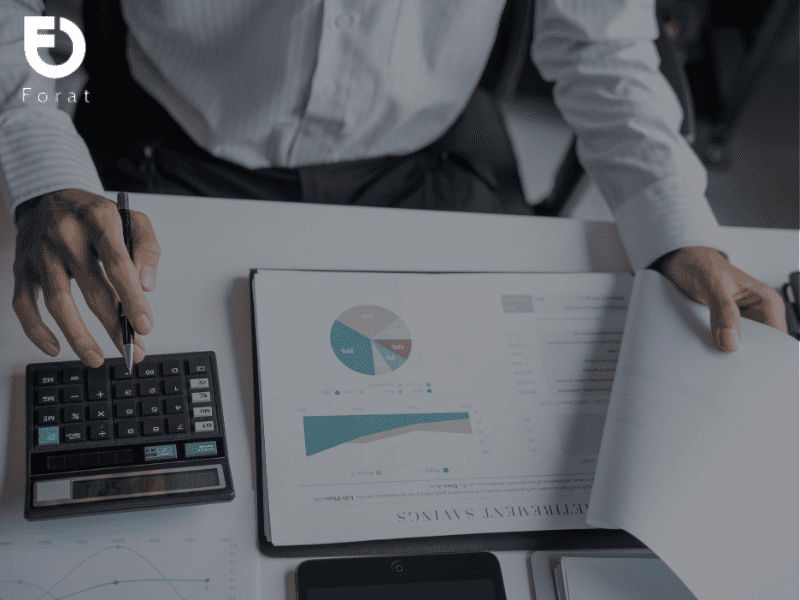
How to Monitor and Enhance Implementation
Successful implementation does not end with system activation. Continuous monitoring is essential:
- Track performance metrics: Monitor invoice processing times and error rates.
- Collect employee feedback: Identify weaknesses and areas for improvement.
- Define KPIs: Measure on-time payments and invoice accuracy rates.
- Hold periodic meetings: Review performance and share improvements.
Key Tips to Maximize Benefits
- Keep software updated to comply with new legal requirements.
- Enhance customer experience with clear and user-friendly invoice formats.
- Offer multiple payment options to encourage timely payments.
- Maintain continuous staff training for improved efficiency.
One sales professional noted that after implementing these improvements, on-time payments increased significantly.
Ultimately, the success of electronic invoicing regulations depends on consistent monitoring and continuous process improvement.
Frequently Asked Questions
1. What is an electronic invoice?
An electronic invoice is a digital document used to record commercial transactions between a seller and a buyer, serving as a digital alternative to paper invoices.
2. What are the benefits of electronic invoicing?
- Faster processing
- Easy digital management
- Lower printing and storage costs
- Reduced human errors
3. How can a company transition to electronic invoicing?
- Analyze current processes
- Choose suitable software
- Train employees
- Ensure system integration
4. What are the penalties for non-compliance?
- Financial fines
- Loss of legal validity of invoices
- Reputational damage
5. How is an electronic invoice issued?
Through specialized software where required data is entered and the invoice is generated electronically for direct delivery to the buyer.
Conclusion
Implementing electronic invoicing regulations efficiently requires proper planning, continuous training, periodic review, and organization-wide commitment.
By applying:
- Strategic planning
- Ongoing training
- Continuous monitoring
- Full compliance commitment
Businesses can ensure successful implementation and maximize the benefits of electronic invoicing while enhancing efficiency and legal compliance in today’s digital economy.
You may also like
- المقالات
Everything You Need to Know About ZATCA-Approved Accounting Software to Improve Your Business Management
In today’s business world, accounting software is considered an essential tool for improving company management and facilitating financial operations. With the approval of a set of accounting software
6 min readBy FuratRead article - المقالات
Everything You Need to Know About E-Invoicing Tax Requirements in Saudi Arabia
In the era of digital transformation, electronic taxation has become an essential part of the financial system in Saudi Arabia. With the rapid development of the digital economy, e-tax requirements
5 min readBy FuratRead article - المقالات
How to Use a Ready-Made Invoice Template
If you are looking to simplify the invoice creation process for your project or business, using a ready-made invoice template can be the ideal solution. There is a wide range of professionally designed templates
8 min readBy FuratRead article



Frequently asked questions
How can I try the program?
If you are thinking about trying the Furat program, it’s very easy to do so. The program offers a free trial period that allows you to explore all the available features. To start the trial, you can follow these simple steps:
- Visit the official website of the Furat program.
- Click on the “Free Trial” option.
- Fill in the required information to create your account.
- Get immediate access to all the tools that help you manage invoices.
This way, you can see how useful the program is before making a final decision.
What is the Furat electronic invoicing program?
Furat is a system for managing electronic invoices and financial claims. It can also generate electronic receipt vouchers. The program aims to facilitate the process of issuing invoices and managing customers.
How does the Furat program help in managing customers?
The Furat program helps organize customer data, track transactions, and improve communication with them by providing smart marketing tools. It also allows you to store customer data and access it from anywhere.
What are the features of the electronic signature in the Furat program?
The Furat program allows the use of electronic signatures to securely and quickly authenticate transactions. You can sign from anywhere at any time, and it also enables the electronic and secure archiving of all documents.
Can worksheets be customized in the Furat program?
Yes, the Furat program provides the ability to customize worksheets to suit the company's needs and customer requirements. You can also set different and consistent permissions based on the number of employees and their administrative roles.
Can I use the program in multiple countries?
Yes, one of the flexible aspects of the Furat program is the ability to use it in multiple countries. The program allows you to:
- Support different currencies to facilitate invoicing.
- Customize invoices according to the local requirements of each market.
- Access legal documents specific to each country.
A friend of mine who runs a multinational company found that using Furat made it easier to deal with clients in different countries without any complications. This flexibility makes Furat a great choice for companies looking to expand into new markets.
Comments (0)
No comments yet. Be the first to comment.